






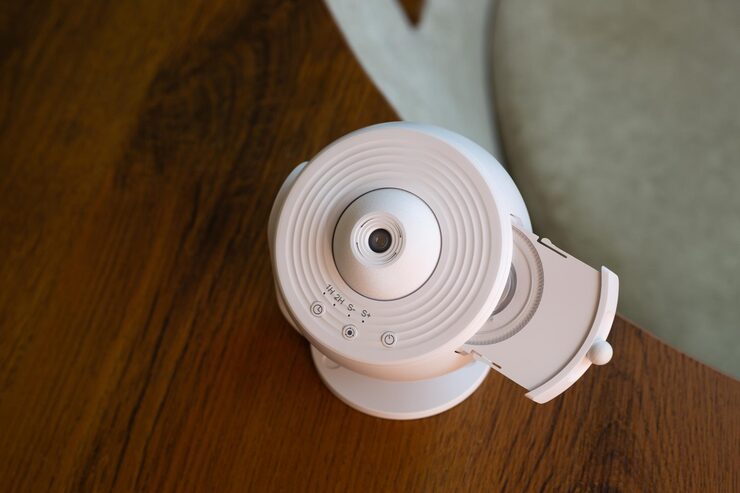
Between occupancy sensor vs motion sensor, which type is ideal for your lighting projects? Occupancy and motion sensors are among the most popularly deployed options in residential, commercial, and industrial lighting systems. They promote energy efficiency, enhance user convenience, and reduce operational overheads.
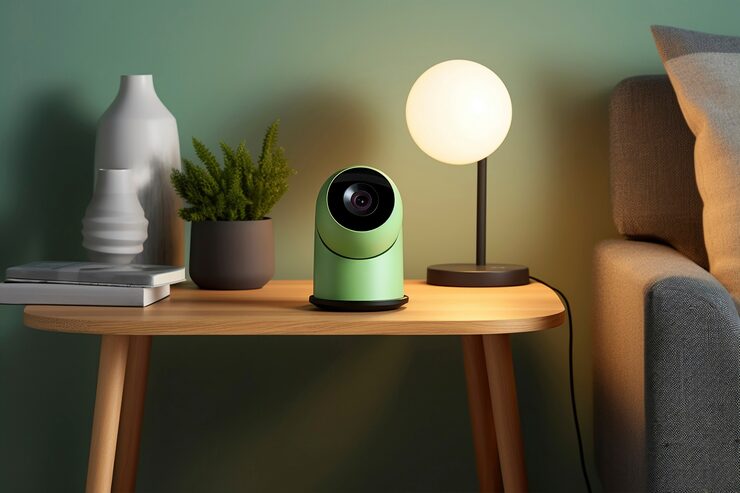
Occupancy and motion sensors are different, though. Their applications and working mechanisms are different. To know the best sensor for your lighting projects, learn how the two differ.
This detailed article defines motion and occupancy sensors, explaining their technical differences. Keep reading to discover the sensor that meets your project requirements.
What is Occupancy Sensor? – An Overview
An occupancy sensor is a device that detects the presence of people in the room. It senses people who are active or inactive. Occupancy sensors include motion detection, computer vision, and other sophisticated technologies.
The most advanced options use intricate computer algorithms and cameras to detect occupancy even when people are still. They can count individual occupants on their desks or seats. Occupancy sensors do not only sense movements but also other factors in their immediate surroundings, including sound.
After detecting occupancy, these sensors can keep the lights or other systems active for a stipulated period. They do not react only to sudden movements like motion sensors. Occupancy sensors are excellent energy savers because they keep the lights on only if people are in the room.
These devices produce accurate information concerning space usage and analyze data in real-time. Because of their advanced deep sensing technologies, occupancy sensors are quite expensive. Besides analyzing space utilization, occupancy sensors are ideal for real estate planning and optimizing employee experiences.
What is Motion Sensor? – An Overview
Between the occupancy sensor vs the motion sensor, which one is more advanced? Let’s first understand how motion sensors work. A motion sensor is a device that only detects movement within its field of view. A traditional motion sensor primarily uses PIR (passive infrared) technology to sense motion. However, more advanced motion sensors may use different technologies.
They may combine microwave, ultrasonic, and PIR technologies to suit more sophisticated applications. All motion sensors do is trigger action whenever there is movement. For instance, they can turn on the lights to scare trespassers or open an automatic door to let someone use a restroom.
Motion sensors have residential, commercial, and industrial uses, but their primary role is to detect motion within their angles of view. They will not detect motion when an object is still, unlike occupancy sensors.
Occupancy Sensor vs Motion Sensor – 4 Differences
What are the fundamental differences between an occupancy sensor and motion sensor? Here are the four differences:
Main Function
The primary function is the main difference between occupancy sensors and motion sensors. An occupancy sensor will detect the presence or absence of people within a specified space. Its innovative motion detection technology enables it to count occupants who are seated or in motion with high precision.
On the other hand, a motion sensor is a device that only detects a moving object within its field of view. For instance, a PIR sensor senses any infrared radiation within its area, whether it is from a human being or an animal. It will detect movement without determining the physical appearance of an object.
Reaction
Another way to evaluate occupancy sensors and motion sensors is to analyze their reactions. An occupancy sensor will automatically maintain activation of lights or another system when someone is in the space. As soon as the space is vacant, it will switch off the lights to conserve energy.
The sensor can delay activation, ensuring the lights do not turn off prematurely when occupants are inside. On the contrary, a motion sensor triggers an action as soon as it detects movement.
It reacts immediately by triggering the preset setting. For instance, it can trigger the security light to scare an intruder or alert the property owner.
Key Technology
Today’s smart buildings and lighting control systems increasingly rely on advanced sensing technologies to improve detection accuracy, reduce false triggers, and optimise energy efficiency in different environments.
A major difference between occupancy sensors and motion sensors is their unique built-in technologies. An occupancy sensor boasts a combination of advanced motion detection and other technologies.
The most innovative sensors even have cameras that help them count people in motion and in seated and still positions. Conversely, motion sensors traditionally use passive infrared technology. They can also feature more than one technology, including ultrasonic or Microwave. Regardless of their technology, these sensors only detect motion within the designated area.
Applications
Occupancy sensor vs motion sensor differences also include key applications. You will find occupancy sensors in rental properties, classrooms, corporate offices, restrooms, and other areas that want conserve energy by switching on the lights only when people are occupying a space.
On the other hand, motion sensors find usage in security lights and cameras, automatic doors, and factories. They work perfectly in places where detecting infrared radiation from warm objects is crucial. This is why many companies are investing in business security with advanced motion sensors, using intelligent detection systems to monitor premises, deter intruders, and strengthen overall workplace safety.
Where to Install an Occupancy Sensor
After learning the occupancy sensor vs motion sensor differences, you need to know when to use each. Occupancy sensors have unique applications in commercial spaces. They detect whether a room is vacant or occupied, allowing the property manager or another person in charge to conserve energy while keeping the occupants comfortable and happy.
Thus, you can install occupancy sensors in an office, conference room, lecture hall, classroom, washroom, warehouse, factory, or another relevant area. An occupancy sensor will switch on the lights and keep them active even if the people are busy or dormant.
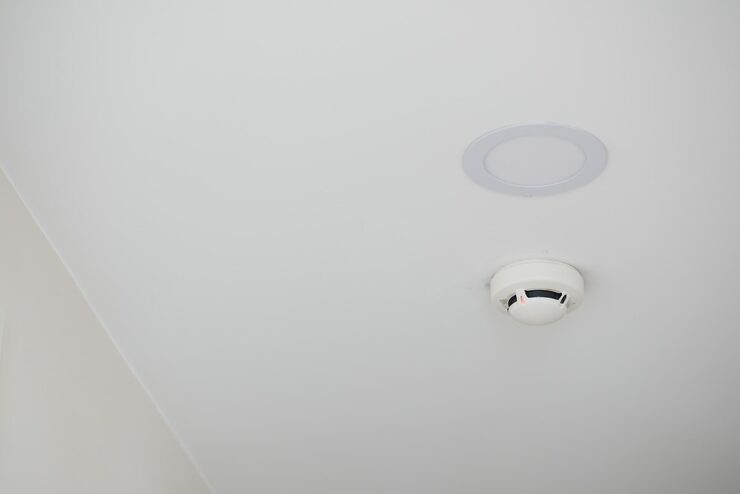
They come with an adjustable time delay setting that keeps the lights from switching off when the room has occupants. Thus, occupancy sensors can enhance user experience in a commercial space by keeping the lighting and other systems active. They can minimize annoyance among users and ensure their comfort and satisfaction.
Where to Install Motion Sensors
After discovering the occupancy sensor and motion sensor differences, you may have decided to try the latter. Motion sensors have several applications, but you should only pick them when your primary goal is to detect movement within a certain field of view.
Choose a motion sensor if the detection of presence or absence is not as crucial as sensing movement itself. Motion sensors are ideal for places with short-lived occupancy, such as hallways or staircases. They are also suitable for offices with automatic door openers or even homes with outdoor security lights.
Motion sensors react as soon as they sense movement, allowing the user to take the correct action before it is too late. They are ideal for situations that require immediate response to increase safety.
Choosing the Right Sensor and Design Considerations
Now you understand how occupancy sensor vs motion sensor vary. The best sensor for your needs should meet your project goals. If you need to detect and measure occupancy for a designated space, your best sensor is the occupancy sensor. On the other hand, choose a motion sensor if detecting movement within a specified field is more critical to you.
Regarding design considerations, consult an electrical engineer. They will choose the best installation angle and location to ensure your favorite sensor detects accurately and with fewer false triggers.
An electrical engineer will consider factors such as the field of view, mounting angle, mounting height, and environmental factors that may obstruct the sensor and lower its performance. They will also help integrate your existing light control systems with your preferred sensor type.
Final Say
A decision between an occupancy sensor vs motion sensor depends on the requirements of your lighting project. If you have a transient space with high security requirements, get a motion sensor.
On the other hand, select an occupancy sensor to measure room occupancy with precision, achieve energy efficiency, lower your costs, and ensure tenant comfort.
Seek the assistance of a professional electrical engineer when installing these sensors to enhance their performance and lower their maintenance costs.