





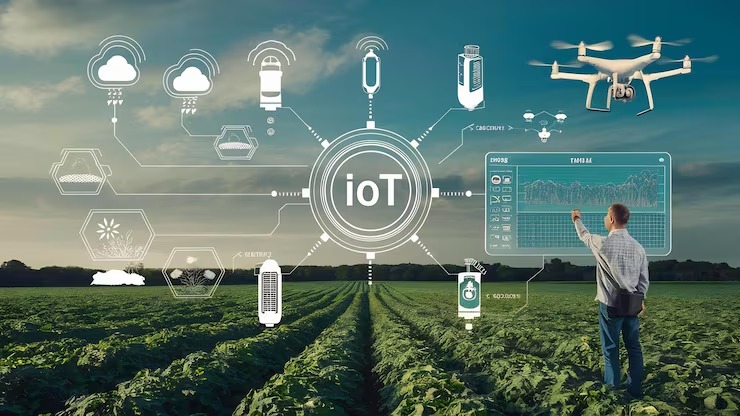
Understanding what is IoT technology is at its core is crucial, as it significantly impacts our daily lives. What if everything in our daily lives—from your automobile to your coffee maker—had internet connections? These connections would enable them to gather and share data, resulting in efficiency, creativity, and automation. Doesn’t that sound futuristic? Thanks to the Internet of Things (IoT), it is currently taking place.
This blog will provide a comprehensive overview of the Internet of Things, describing its definition, operation, and significance for both individuals and enterprises. By the conclusion of this write-up, you will have a thorough understanding of the technology used in IoT, including its applicable areas and challenges.
What is IoT Technology?
By linking everyday physical objects to the internet and to each other, the Internet of Things (IoT) makes it possible for them to send and receive data. These “things” might be anything from cars and industrial gear to household appliances like thermostats and refrigerators.
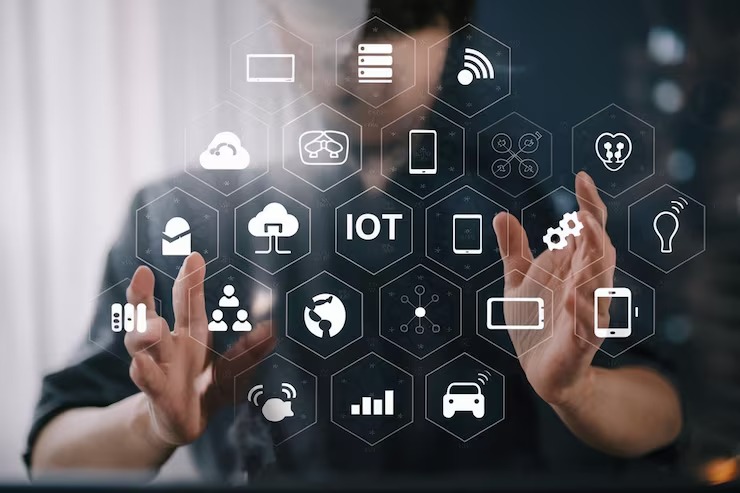
These devices collect data using embedded sensors, process it, and then transmit the findings quickly and frequently without the need for human intervention. By facilitating internet-based connectivity, IoT effectively turns everyday objects into “smart” devices.
Understanding How IoT Technology Work
The Internet of Things (IoT) is a network of interconnected items that can collect and exchange data because it has sensors, software, and network connectivity built in. The Internet of Things enables remote control and internet-based communication between these devices.
It connects objects to the internet using a variety of technologies, such as Bluetooth, Wi-Fi, and cellular networks. Devices may send and receive data once they have established an internet connection. This data enables behavior control, performance monitoring, and device tracking.
6 Applicable Areas of IoT Technology in Our Daily Lives
With an understanding of what is IoT technology, it is necessary to know the areas in which this technology can be applied in our daily lives. IoT has the potential to completely change how we use technology, live, and work. It can, for starters, make our lives more convenient and easier.
We can save time and effort, and concentrate on more important things by automating some operations and procedures. Here are some instances of how IoT is already affecting our day-to-day existence:
Connected Cars
IoT technology has made it possible for modern cars to include capabilities like remote diagnostics, navigation, and, in certain situations, autonomous driving. The car’s sensors gather information regarding tire pressure, speed, and fuel economy, which can enhance performance and save maintenance expenses.
Wearables
Smartwatches (like the Fitbit or Apple Watch) and fitness trackers gather information about your heart rate, sleep habits, and physical activity. You can then track your health objectives with the use of a mobile app that receives such information.
Smart Cities
The idea behind smart cities is to use the Internet of Things to make networks and services more effective. The objective is to reduce emissions, enhance the quality of life for residents, and allocate resources more rationally within the city. To develop a digital map of demand and usage, IoT architect’s links smart devices from public areas, workplaces, and households.
Manufacturing
IoT sensors can monitor the functioning of machinery and forecast maintenance requirements, which lowers downtime and boosts output. Operators are far better able to foresee issues, prevent malfunctions, and pinpoint the cause of quality flaws. Additionally, they can trace costly equipment and items along the production process more readily.
Healthcare
To find problems with their patients, doctors now use blood tests, a list of symptoms, or costly scanning equipment. As a result, most healthcare is reactive rather than proactive. The healthcare sector may be able to give physicians access to a wealth of patient data through implanted devices and linked medical equipment. Furthermore, wider adoption of IoT-based health tracking technologies may help us detect health problems earlier and improve health outcomes.
Smart Appliances
Ovens, washing machines, and refrigerators are all getting smarter thanks to the Internet of Things. For instance, you can control a smart oven remotely through an app to prepare whatever you want before you even get home, and a smart refrigerator can alert you when your supply of supplies is running short.
The Benefits of IoT Technology in 2026
The question of what is IoT technology comes from people who are still not fully abreast with it. IoT has numerous useful advantages for both consumers and enterprises; it is not only about convenience or enjoyment. Let us examine a few of the most noteworthy benefits of IoT, since we already understand what is IoT and smart home technology.
- Saves Cost: Businesses can lower operating expenses by remotely monitoring systems and equipment. For instance, by tracking and optimizing energy use, smart energy meters can assist companies in saving money. By seeing possible problems before they become costly ones, predictive maintenance in production helps avoid expensive repairs.
- Increase in Productivity: IoT contributes to increased operational efficiency in sectors like manufacturing. Real-time machine communication enables prompt process modifications, such as turning off malfunctioning machinery before it malfunctions. As a result, there is less downtime and more production.
- Better Decision-Making Process: Businesses can use real-time data from IoT to make better decisions. For instance, a retail company can utilize IoT to monitor customer preferences and inventory levels, which would enable more precise supply chain management and demand forecasts.
- Automation: IoT simplifies lives by automating repetitive chores. For instance, smart lights switch on and off automatically, and smart thermostats change the temperature according to your schedule. By saving time and energy, this automation improves the efficiency of daily tasks.
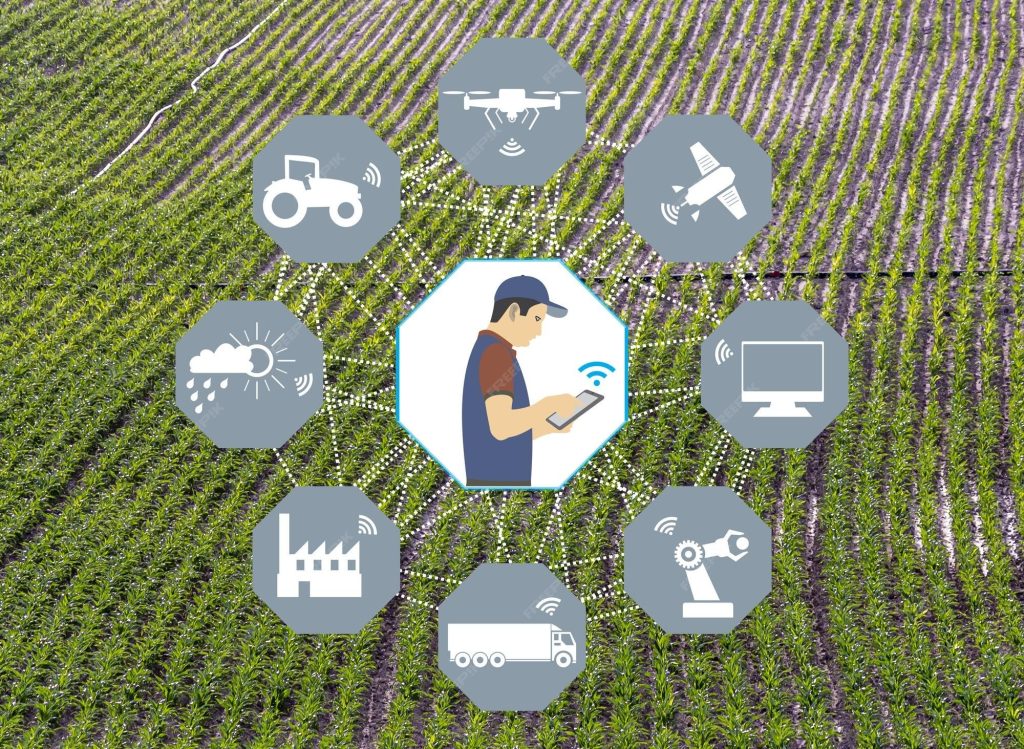
Challenges of IoT Technology
IoT has its share of problems, just like every other technology. These are a few possible challenges that come with IoT technology.
Cost
IoT devices vary in price, but they offer long-term savings. Many low-cost devices are inexpensive for individual use, but certain systems can be expensive, making them less available to everyone.
Interoperability
It is challenging to provide a smooth, integrated experience since many of these devices are made by different companies and run on various platforms. This implies that people can become frustrated if a smart lightbulb from one manufacturer does not work properly with a smart speaker from another.
Security and privacy issues
Since there are so many internet-connected gadgets, cyberattacks are a serious concern. Hackers can get personal information or interfere with services by taking advantage of flaws in IoT devices. Additionally, privacy is a major challenge because of the massive volumes of personal data that IoT devices are gathering.
Environmental impact
As most IoT devices include heavy metals, it is challenging to produce, dispose of, and recycle them without incurring high costs to the environment and human health. By turning off private services that their devices require to function, some IoT suppliers may also purposefully brick—or make useless—their goods.
The Future of IoT Technology
If you are still unclear about what is IoT technology, you need to catch up because IoT is becoming the new norm. By building a massive network of linked systems and gadgets that can exchange data and collaborate easily, the Internet of Things (IoT) will completely transform business and technology in the future.
There will be many more ways that IoT will improve our lives as more gadgets become online. IoT devices like self-driving cars, for instance, have the potential to lessen traffic jams and accidents. The implementation of smart linked cities, which integrate everything from sewage systems to traffic lights, may also result in more sustainable and efficient living arrangements.