






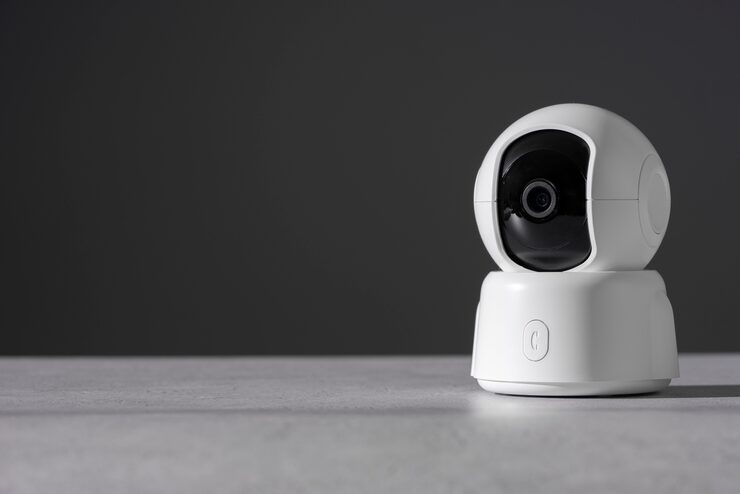
People often ask this popular question: Do motion sensors have cameras? Most of them fear that their motion sensors might have hidden surveillance cameras that might invade their privacy. If you share the same concerns, you should know how to verify if any motion sensor has an in-built camera.
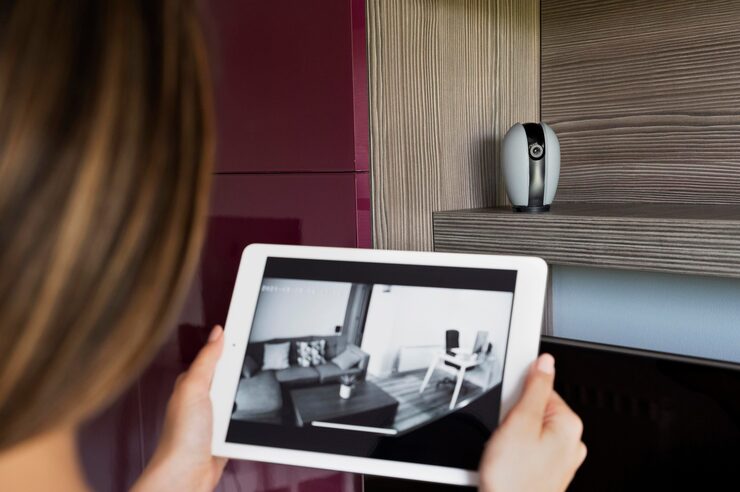
This article reveals whether motion sensors have hidden cameras. It explains how they work and offers different ways of detecting a camera in any device. Keep reading to know the secret and stop worrying about privacy invasion when using a motion sensor.
A Motion Sensor – What is it and How Does it Work?
Do motion sensors have cameras? Before you learn if a motion sensor has a camera, do you know what it is? Do you have one? If not, a motion sensor is a device that detects movement in its surroundings or field of view.
Its primary role is to identify motion and trigger security lights or alarms, automatic doors, or other smart technology systems. To better understand the answer to this common concern, it is important to first explore how motion sensors work and what technology they rely on to detect movement.
It comes with different components, including the sensor unit. This unit monitors different environmental changes, including infrared radiation, microwave energy, or ultrasonic sound waves.
Motion sensors include passive infrared (PIR), ultrasonic, microwave, and dual technology types. They also come with an embedded computer system for interpreting data the sensor unit sends.
If it confirms that a movement has happened, this computerized data interpreter will activate the corresponding action, such as switching on the security lights or alarm. A motion sensor also features a hardware component that houses all parts. A motion sensor has uses at home, in the workplace, and in industrial settings.
Motion sensors detect movement in their surroundings and trigger the right actions. That is their fundamental purpose. This also differentiates between occupancy sensors and motion sensors, as motion sensors respond to movement while occupancy sensors are designed to detect the presence of people in a space. A typical motion sensor is standalone equipment that functions without a camera. Motion sensors with cameras as an internal component do not exist.
Are There Motion Sensor Devices with Integrated Cameras?
It is possible to find a hybrid device with a motion sensor and a camera in one unit, but operating as separate components. This type of device is particularly useful in areas that require enhanced security.
The camera uses the information that the sensor finds. When the sensor detects movement, it can trigger the camera to record a video, which can serve as proof of trespassing or privacy invasion.
So, do motion sensors have cameras? They do not have cameras within them, but some devices can have integrated surveillance devices that operate individually.
Do motion sensors have cameras that boost their performance? A traditional or an advanced motion sensor works independently to detect motion. It does not use a camera to identify movements within its field of view.
How Motion Sensor Devices with Integrated Cameras Work
The sensor monitors changes in vibrations, microwave reflections, infrared heat, and ultrasonic sound waves and triggers a corresponding action. It will never capture a photo because its working mechanism does not include a camera.
However, some hybrid devices offer a motion sensor and a camera in the same hardware. These will have separate motion sensors and filming parts. The sensor part detects motion in the surroundings, while the camera has an image chip and a lens.
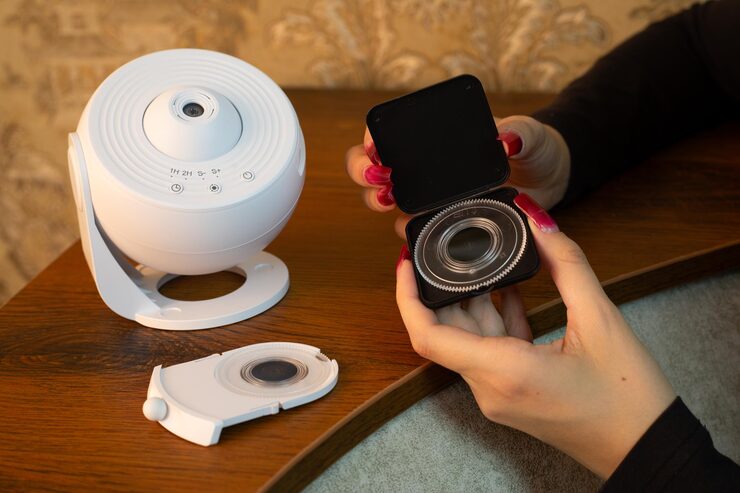
The two parts connect via a mini cable on the electrical board that ensures the camera starts recording only when the sensor sends a signal. Do motion sensors have cameras if they are of a hybrid type? The sensors themselves are separate parts that only detect movements.
They do not have a camera that records these movements instantaneously. The cable allows the sensor to convey signals to the separate camera, alerting its lens to record and store evidence. A structure like this lowers power consumption, saves storage space, and produces more accurate and reliable results.
How to Tell If a Motion Sensor Has a Camera
Do motion sensors have cameras, and if so, can you tell? If you suspect that your motion sensor has a camera, the only way to know the truth is to find it. But how can you locate the camera to prevent it from threatening your privacy? Here are practical ways to tell if your sensor has an integrated camera:
- Inspect the Motion Sensor with Naked Eyes
The quickest way to discover if your motion sensor has a camera is to inspect its hardware directly. Observe the body with your eyes to check if you can see a lens opening, a glass surface, or even a black hole. Those screw holes that appear useless to you could be hiding a camera. Any micro-SD card slot could be for the hidden camera, allowing it to store videos.
- Unbolt the Motion Sensor
If you cannot find any signs of a camera on the hardware, here is how to answer this question: Do motion sensors have cameras? Unbolt the device to see different internal components. Inspect the circuit board for anything that might indicate a camera that links to a motion sensor.
- Illuminate With a Flashlight
Take your motion sensor to a dark room and check it with a flashlight. It is possible to see twinkling lights in either green or red colors. If you notice these, you could have a secret camera in your motion sensor.
- Listen for Soft Clicking or Buzzing Noises
When a motion sensor is active and has a camera, it generates certain buzzing sounds. Listen to your motion sensor when it is working. Any faint but vibrant sound could indicate a camera in film recording mode. A standalone motion sensor is always silent.
While at it, turn off the lights and listen for a soft click as the darkness settles. If you hear the click, it is a sign you have a camera. Cameras feature a night vision mode that activates when the room becomes dark.
- Identify the Model Number or Item Label
Do motion sensors have cameras? You can discover this by checking the model number indicated on the product label or inscribed on the hardware.
Most manufacturers record everything crucial about a product’s specifications. If your motion sensor can work as a camera, the label will reveal it.
- Power Consumption Rate
If you have a motion sensor-only device, it will not drain the battery so soon. It will stay cool because it needs less power to run.
On the other hand, a motion sensor with a separate camera might feel warm after running for a while. That’s a sign its power consumption rate is high.
What to Choose Between a Motion Sensor and a Motion Sensor with Camera
Do motion sensors have cameras and should you get a device with a camera? You can have a standalone motion sensor only or a model with a hidden camera. You can also buy a camera with a motion detection feature.
A motion sensor is less expensive, and most people can afford it. It can use a single battery for several years, as its power consumption needs are low. A motion sensor conveys an instant signal after detecting movement. However, it will not give you any video or image to help you investigate how the event began.
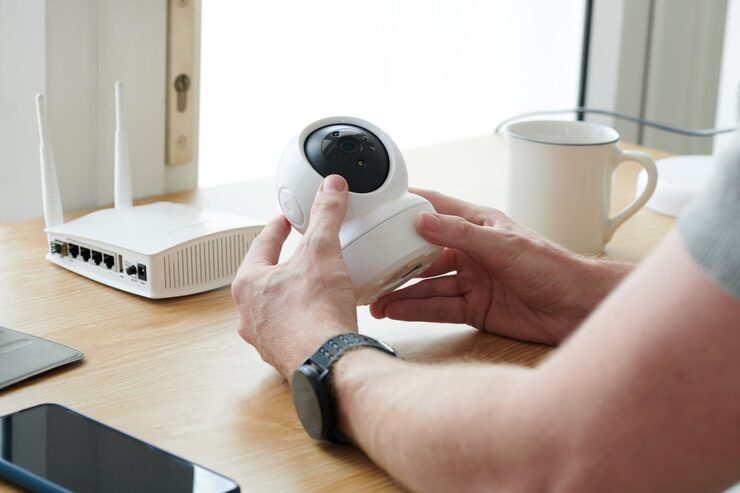
Motion sensors are prone to false alarms from small animals, especially the traditional types. If you need more coverage, you should get a hybrid motion sensor with a camera or a camera with a motion detector. This will film the whole suspicious activity, helping you determine if you should inform the authorities.
You can watch a live video clip and get cloud storage and other good features. You only get one unit to install, but the downside is that a hybrid product is costlier than a standalone motion sensor.
You will pay higher power bills because this type of motion sensor or a camera with a motion detector requires Wi-Fi to run and has energy- draining features. Based on these pros and cons, you can decide if you want a typical motion sensor or one with a camera.
Verdict
Do motion sensors have cameras? Motion sensors are incapable of filming a suspicious event because they are not cameras. They have no lens or other handy camera components.
However, some hybrid products often come with hidden cameras situated separately from the motion sensor. These will only record an event if the sensor sends a signal.